
Designing Your Home with Plants: Aesthetic and Functional Tips

Introduction
Plants can significantly enhance your home's aesthetics while serving functional purposes. Beyond their beauty, strategically placed plants can improve air quality, create privacy, reduce noise, and even influence your mood. This guide explores how to incorporate plants into your home design for both visual appeal and practical benefits.
Design Ideas
Vertical Gardens
Vertical gardens are perfect for maximizing space while adding a stunning green focal point to any room. These living walls can transform blank spaces into lush, vibrant features that draw the eye and create a sense of natural abundance even in limited square footage.
Consider installing a vertical garden in areas like entryways, living rooms, or even bathrooms. You can use specialized wall planters, pocket systems, or even repurpose items like pallets to create your vertical garden structure.
Hanging Planters
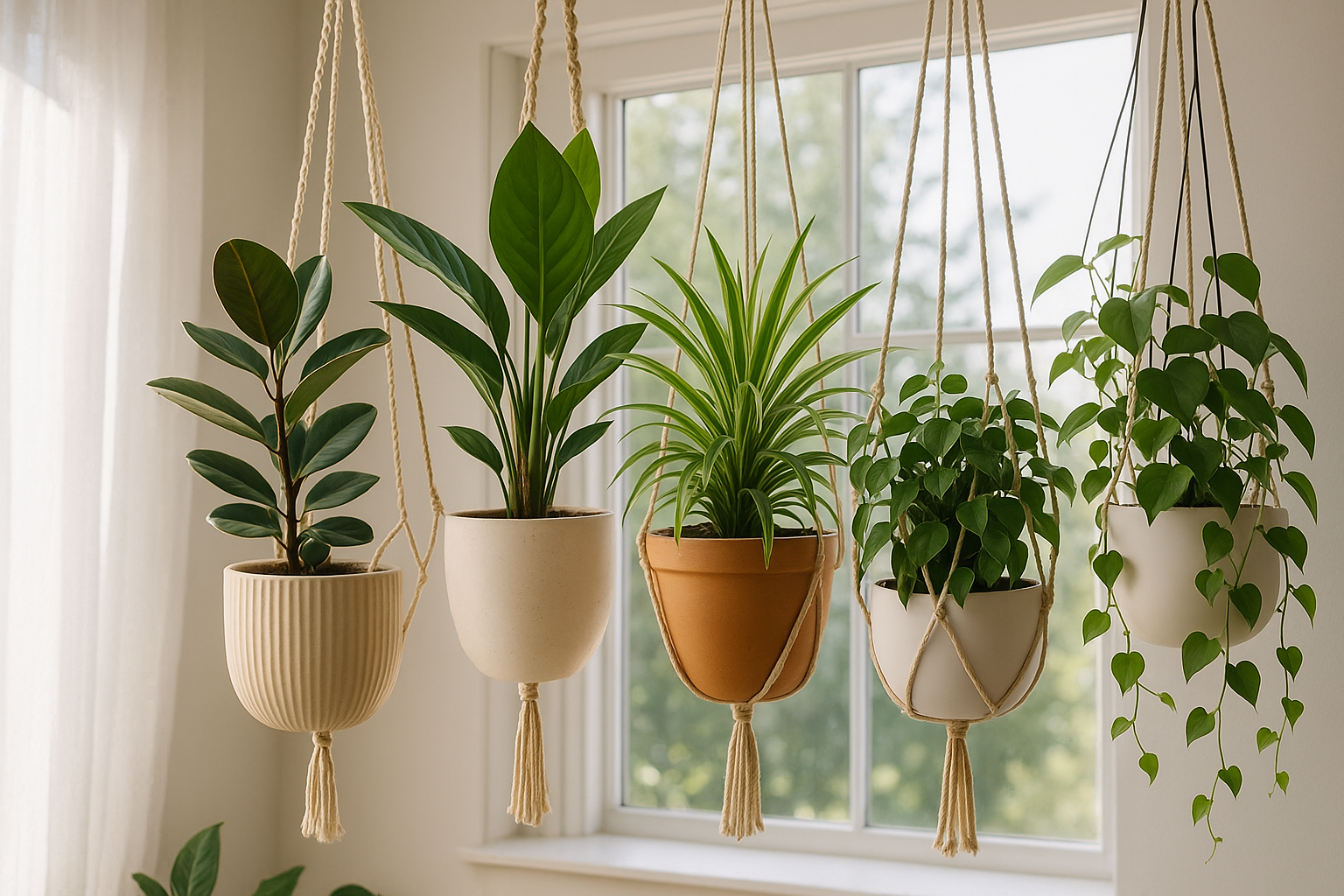
Hanging planters are ideal for trailing plants and can add dimension to your space by drawing the eye upward. They're particularly effective in corners, near windows, or above furniture where they won't obstruct movement.
Plants like pothos, spider plants, string of pearls, and various ferns thrive in hanging planters and create beautiful cascading effects. Consider varying the heights of multiple hanging planters for a more dynamic visual impact.
Room Themes
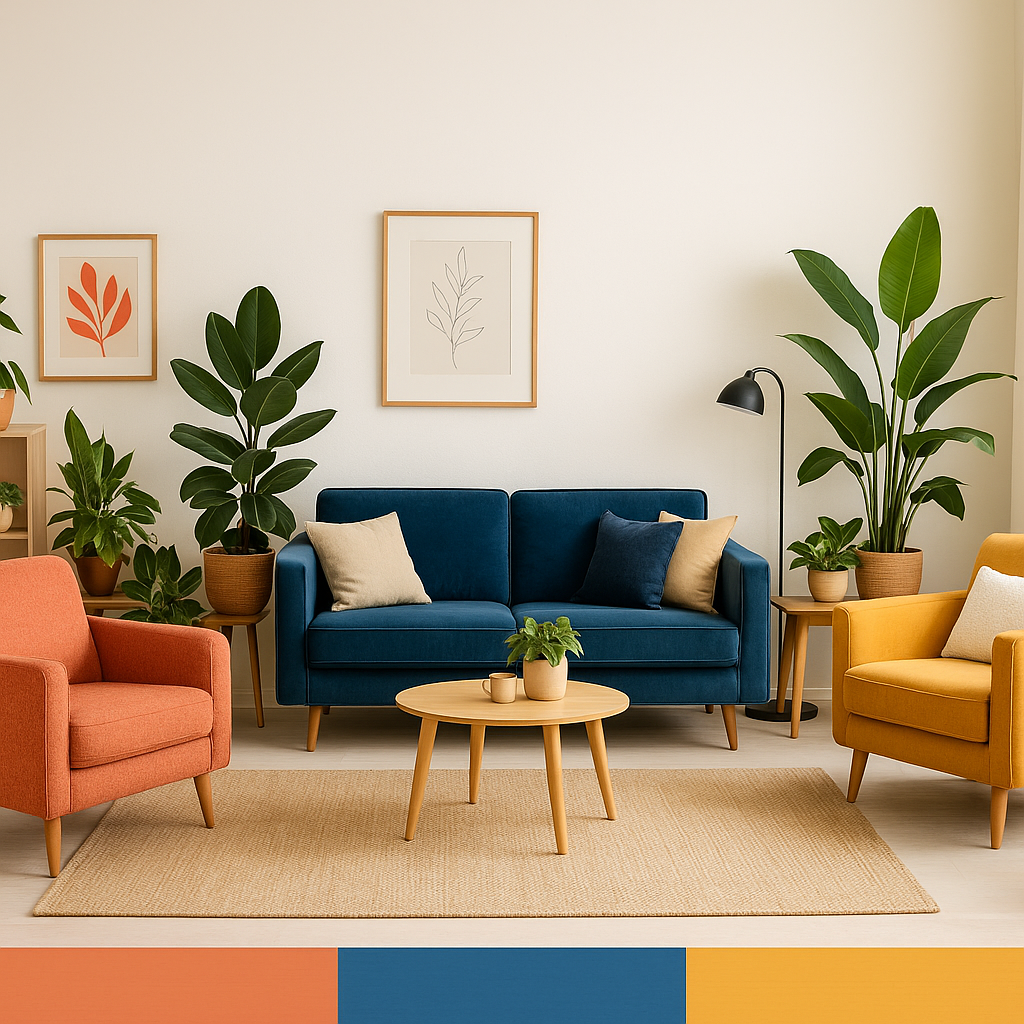
Using plants to complement room colors and styles can create cohesive, themed spaces throughout your home. For example, pair sleek, architectural plants like snake plants or ZZ plants with modern, minimalist decor, or use lush, tropical plants to create a bohemian oasis.
Consider the color of both the plants and their containers when designing your space. Terracotta pots complement warm color schemes and bohemian styles, while sleek white or black containers work well with contemporary designs.
Functional Benefits
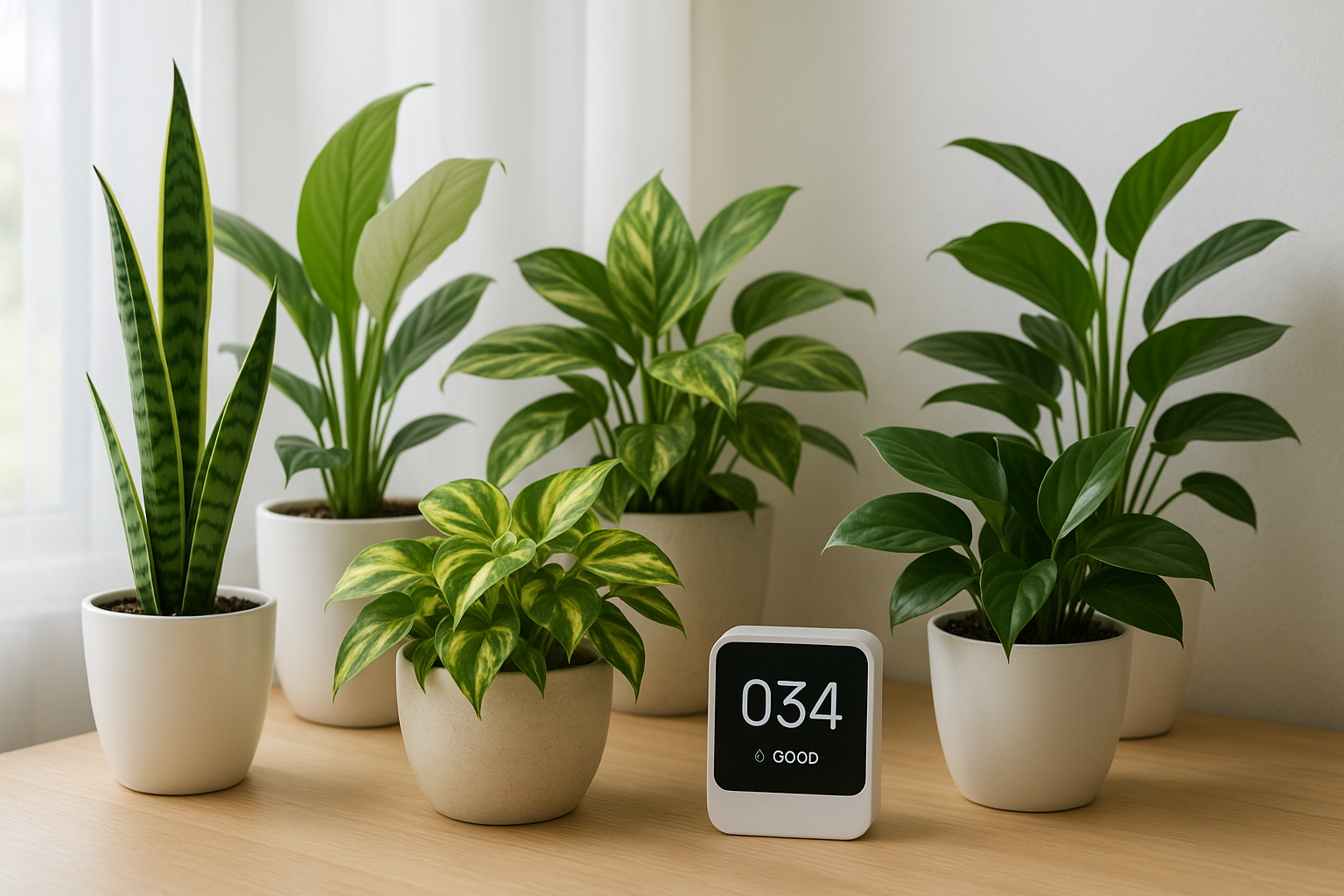
Privacy
Tall plants can act as natural dividers, creating privacy and defining separate areas within open-concept spaces. Plants like bamboo, fiddle leaf figs, or bird of paradise can grow tall enough to serve as living privacy screens.
Strategic placement of these plants can help delineate spaces like home offices, dining areas, or reading nooks without the need for permanent walls or bulky furniture dividers.
Acoustics
Plants can absorb sound, reducing noise levels and echo in your home. This acoustic benefit is particularly valuable in spaces with hard surfaces like wood floors, concrete walls, or large windows that tend to amplify sound.
Plants with large, dense foliage like peace lilies, rubber plants, and ficus trees are particularly effective at absorbing sound waves. Placing several plants around a room can significantly improve its acoustic properties.
Practical Placement Tips
When designing with plants, always consider their light requirements. Place sun-loving plants near windows with appropriate exposure, and reserve low-light tolerant species for darker corners.
Group plants with similar care needs together to simplify maintenance. This approach not only makes caring for your plants easier but can also create visually appealing plant collections.
Consider the mature size of plants when placing them. A small fiddle leaf fig might look perfect in that corner now, but it could outgrow the space within a year or two.
Conclusion
Thoughtful plant placement can transform your living space both visually and functionally. By incorporating plants strategically throughout your home, you can create a more beautiful, comfortable, and healthy environment.
Remember that the best plant design evolves over time. Start with a few key plants and gradually add more as you become comfortable with their care and better understand how they interact with your space.